



Shear Friction Dowel Design for Concrete Diaphragms
Item #: SK2024SWL0002
Price: $275.00
Member Price: $275.00
Member Savings: $0.00
Format: Online Live
Duration: 2.50
$275.00
Remember to generate a certificate once the webinar is over. You must generate a certificate in order for our system to consider the course to be completed.
To learn how to generate a certificate, please click HERE.
August 11, 2026; 11:00 AM – 1:30 PM Pacific Time
Bryan Allred, S.E.
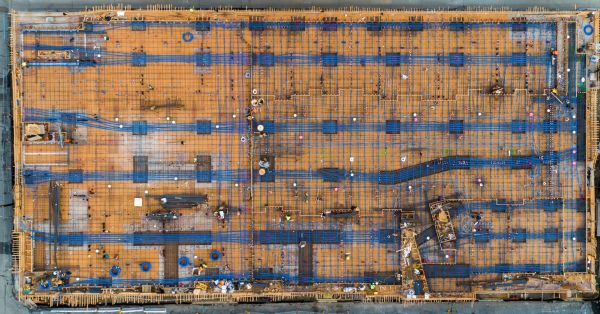
This webinar will focus on the misconception of the design of the slab to shear wall connection, specifically how the joint rebar is required to transfer all the diaphragm force at the level in question and the shear from the upper floors. It will address the shear friction connection from the shear wall to the foundation. Most engineers we review do not add rebar at the construction joint and use the vertical wall rebar for shear transfer (by default) and flexural resistance, which occur at the same time. They rarely perform the required design or acknowledge the two simultaneous forces. The webinar will also discuss that a “dowel” must cross the construction joint. Rebar in the slab, that does not cross between the wall and slab does not provide shear friction. This is a common detailing mistake.
Speaker Bio
Bryan Allred, S.E. is a licensed structural engineer who specializes in the design of reinforced concrete buildings utilizing post-tensioned floor systems. He is the co-author of the book “Post-Tensioned Concrete Principles and Practice” which covers the design of post-tensioned concrete structures from basic fundamentals to specific construction detailing. Bryan is a fellow of the Post-Tensioning Institute (PTI), a member of their Building Design Committee and has given numerous PTI educational seminars across the country highlighting the use and benefits of post-tensioning.
To learn how to generate a certificate, please click HERE.
August 11, 2026; 11:00 AM – 1:30 PM Pacific Time
Bryan Allred, S.E.
This webinar will focus on the misconception of the design of the slab to shear wall connection, specifically how the joint rebar is required to transfer all the diaphragm force at the level in question and the shear from the upper floors. It will address the shear friction connection from the shear wall to the foundation. Most engineers we review do not add rebar at the construction joint and use the vertical wall rebar for shear transfer (by default) and flexural resistance, which occur at the same time. They rarely perform the required design or acknowledge the two simultaneous forces. The webinar will also discuss that a “dowel” must cross the construction joint. Rebar in the slab, that does not cross between the wall and slab does not provide shear friction. This is a common detailing mistake.
Speaker Bio
Bryan Allred, S.E. is a licensed structural engineer who specializes in the design of reinforced concrete buildings utilizing post-tensioned floor systems. He is the co-author of the book “Post-Tensioned Concrete Principles and Practice” which covers the design of post-tensioned concrete structures from basic fundamentals to specific construction detailing. Bryan is a fellow of the Post-Tensioning Institute (PTI), a member of their Building Design Committee and has given numerous PTI educational seminars across the country highlighting the use and benefits of post-tensioning.
 Bryan Allred, S.E. is a licensed structural engineer who specializes in the design of reinforced concrete buildings utilizing post-tensioned floor systems. He is the co-author of the book ``Post-Tensioned Concrete Principles and Practice`` which covers the design of post-tensioned concrete structures from basic fundamentals to specific construction detailing. Bryan is a fellow of the Post-Tensioning Institute (PTI), a member of their Building Design Committee and has given numerous PTI educational seminars across the country highlighting the use and benefits of post-tensioning.