



Structural Bolting - Materials, Installation, and Inspection
Robert E. Shaw, Jr., P.E.
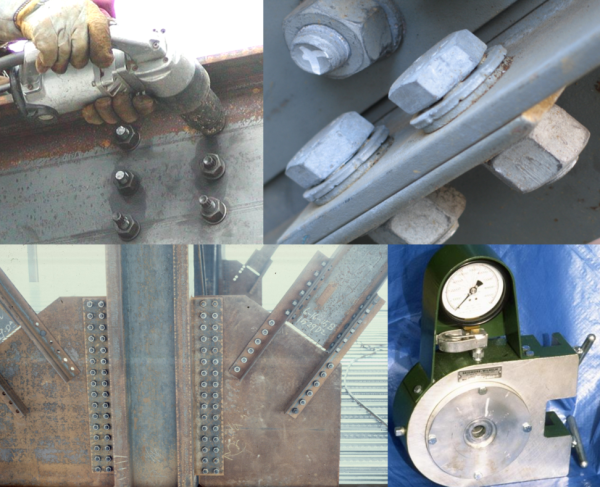
This seminar will discuss three principal elements of structural bolting. The first element is the bolts, nuts, and washers typically used in steel construction, as well as special topics such as direct tension indicators, reaction and backing washers, and coating systems. Included will be product identification, certification, and product storage. This will be followed by discussion on bare, coated, and galvanized faying surfaces, and on the various methods to produce bolt holes and bolt hole quality requirements.
The second element is installation methods for snug-tightened, pretensioned, and slip-critical joints, including the turn-of-nut method, the combined method, the twist-off tension control bolt method, the direct tension indicator method, and the calibrated wrench method, including an overview of the tools that may be used and their limitations. Pre-installation verification testing and rotational-capacity testing will also be discussed.
The third element includes bolting inspection requirements in accordance with both the RCSC and the AISC 360 Specifications. Arbitration methods will be addressed. The new requirements in the 2025 RCSC Specification addressing the contractor’s responsibilities and the qualifications of bolting personnel will also be presented.
Speaker Bio
Robert E. Shaw, Jr., P.E., has over 50 years of experience in steel construction. A Civil Engineering graduate of Rose-Hulman Institute of Technology, his career began as an engineer for a steel fabricator, then with AISC as a Regional Engineer and as Associate Director of Education. In 1990, he formed the Steel Structures Technology Center, Inc. SSTC has provided technical education and training on numerous steel construction topics, including welding inspection, structural bolting, plan reading, AISC QC/QA requirements, and IBC special inspections. SSTC publications include the Structural Bolting Handbook, Structural Welding Quality Handbook, and the Structural Steel Inspector’s Workbook jointly with the ICC. Bob is Chair of the Research Council on Structural Connections, is a Member Emeritus on the AISC Specifications Committee, and serves on numerous other standards and industry committees. He holds both S1 and S2 ICC certifications, and consults globally on bolting, welding, and other steel construction issues.
 Robert E. Shaw, Jr., PE, has over 50 years of experience in steel construction. A Civil Engineering graduate of Rose-Hulman Institute of Technology, his career began as an engineer for a steel fabricator, then with AISC as a Regional Engineer and as Associate Director of Education. In 1990, he formed the Steel Structures Technology Center, Inc. SSTC has provided technical education and training on numerous steel construction topics, including welding inspection, structural bolting, plan reading, AISC QC/QA requirements, and IBC special inspections. SSTC publications include the Structural Bolting Handbook, Structural Welding Quality Handbook, and the Structural Steel Inspector’s Workbook jointly with the ICC. Bob is Chair of the Research Council on Structural Connections, is a Member Emeritus on the AISC Specifications Committee, and serves on numerous other standards and industry committees. He holds both S1 and S2 ICC certifications, and consults globally on bolting, welding, and other steel construction issues.